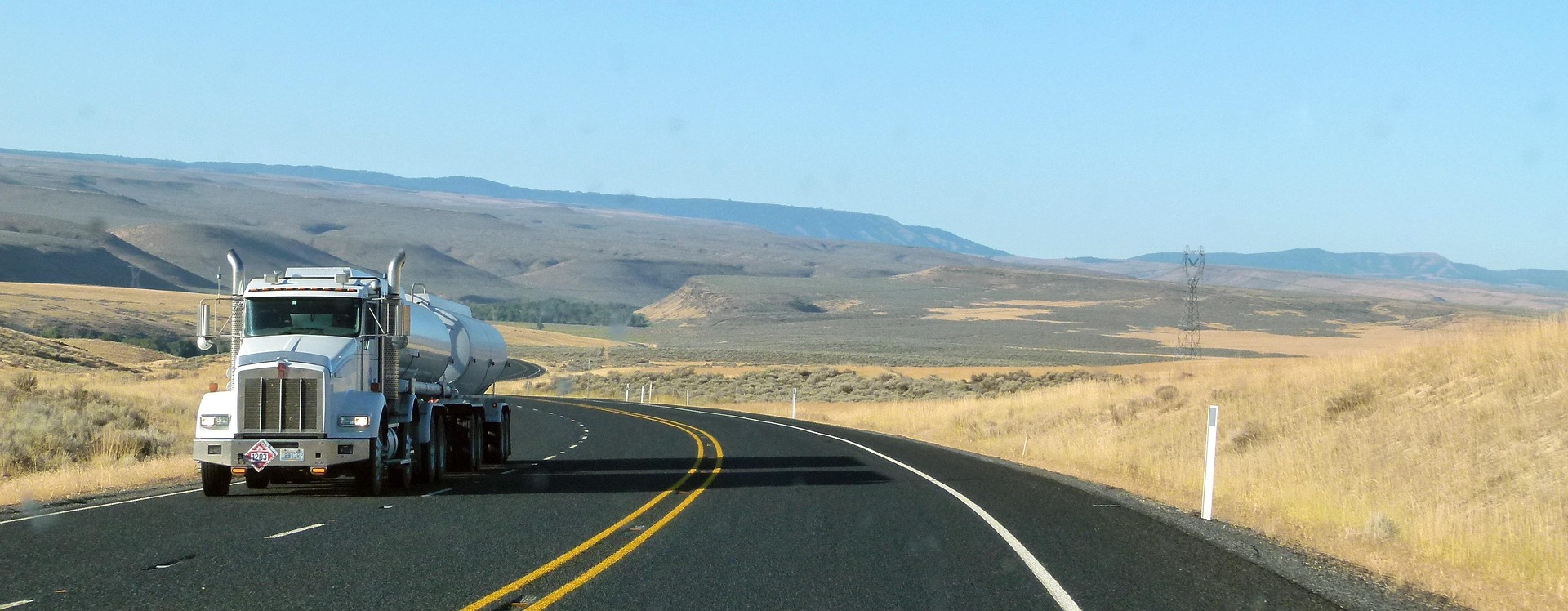
Heavy Duty Haulage

End-to-End Project Logistics and Coordination

From site surveys to final positioning, our team orchestrates every phase of heavy duty haulage. We align crane windows, staging areas, and traffic management with your build schedule. Stakeholders receive clear milestones, documentation, and real-time status updates. The result is a streamlined execution that keeps critical paths on track.

Specialized Fleet for Oversized and Heavy Loads

Our fleet includes modular multi-axle trailers, low-loaders, and hydraulic platform transporters configured to your cargo. We match axle spacing and suspension to weight distribution to protect infrastructure and freight. Dedicated power units provide controlled traction and braking on demanding terrain. This ensures reliable movement of transformers, construction machinery, and industrial components.

Safety, Securement, and Risk Management

Crews apply engineered tie-downs, blocking, and cribbing that meet stringent securement standards. Loads are weighed, balanced, and re-checked at checkpoints to prevent shift and sway. Operators follow detailed method statements and dynamic risk assessments tailored to route and weather. Continuous monitoring reduces incidents and protects people and assets.

Frequently Asked Questions

Heavy duty haulage moves oversized or ultra-heavy loads—like excavators, CNC machines, transformers, or plant modules. A low-bed (lowboy) trailer is ideal when cargo height is a constraint; its lower deck keeps overall height within bridge and gantry limits in Singapore, improves stability, and eases loading for tracked or wheeled machinery.
Most oversize/overweight moves need LTA and Traffic Police permits, a planned route survey, and may require escort vehicles, night or off-peak travel windows, warning signage/lighting, and certified tie-downs. Provide exact cargo dimensions, weight, and center-of-gravity details early so your haulier can secure permits and plan safely.
Share pickup/drop-off locations, cargo L×W×H and weight, lifting/loading method (ramp, crane, forklift), site access constraints, required dates, and special handling or insurance needs. Typical permit lead times range from a couple of days to a week depending on size/route; urgent options may be possible subject to approval.